
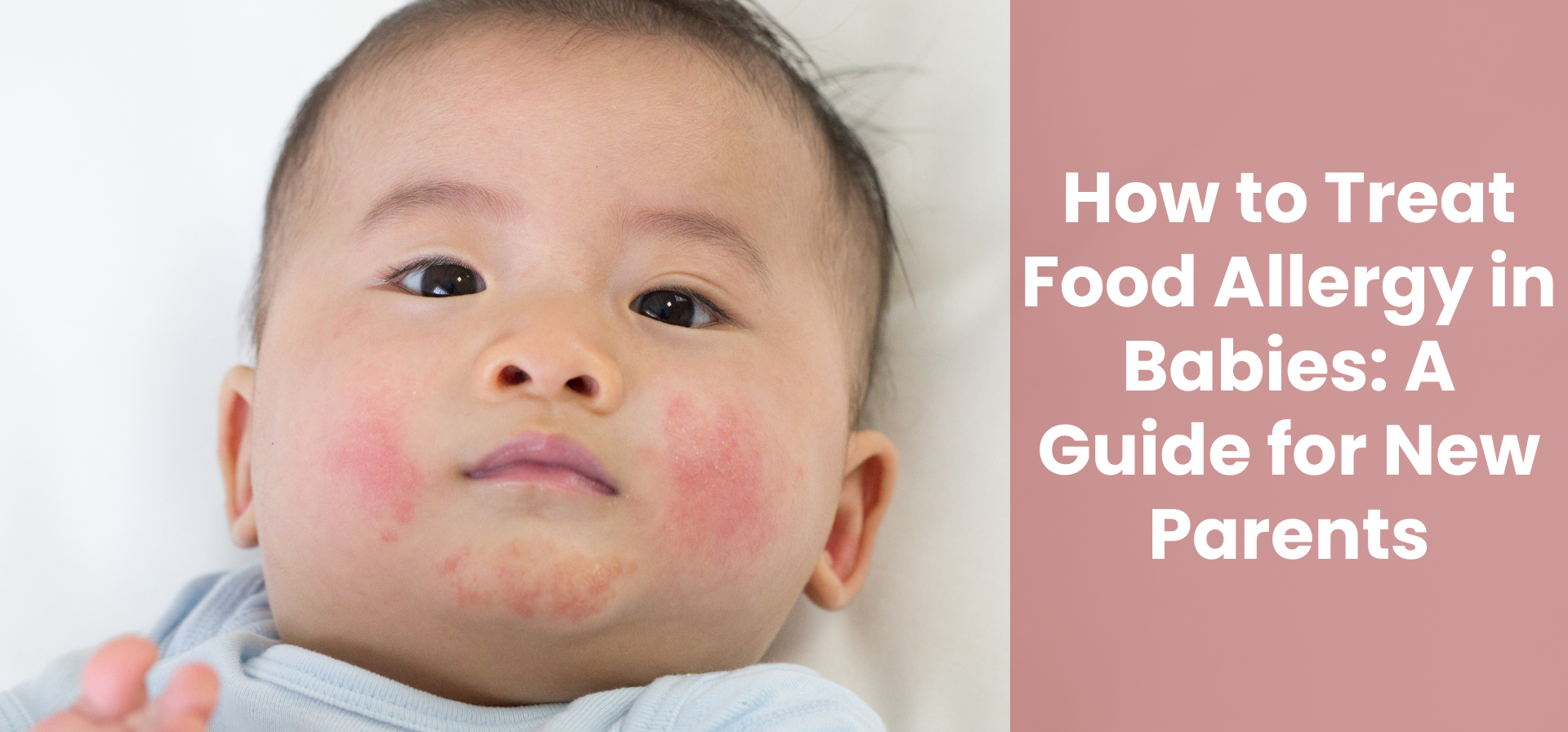
Introducing new foods to your baby is an exciting milestone! However, it’s natural to worry about potential food allergies. Understanding how to identify and manage food allergies is essential for your baby’s health. Here’s a step-by-step guide to introducing new foods safely and monitoring for any allergic reactions.
- Introduce One Food at a Time
To make it easier to identify any allergens, start by introducing one new food at a time. This approach lets you closely observe any signs of allergic reactions. Begin with simple, single-ingredient foods that are less likely to cause allergies, such as rice cereal, mashed vegetables, or plain fruit purées.
- Wait 3-4 Days Before Adding Another New Food
After introducing a new food, wait 3-4 days before trying another one. This waiting period allows you to monitor for delayed reactions, which can sometimes take a day or two to show up. If your baby shows no signs of allergies, you can safely move on to the next new food.
- Maintain a Food Diary
Keeping a food diary is especially important if you have a family history of food allergies. Write down each new food you introduce and any reactions your baby may have, like rashes, digestive issues, or respiratory symptoms. A food diary can help your pediatrician assess patterns and provide guidance on managing potential allergies.
- Start New Foods from 6 Months
Experts recommend introducing solids around 6 months of age. Before this time, babies’ digestive systems may not be mature enough to handle certain foods, which could increase the risk of allergic reactions. Starting at 6 months also ensures they get the essential nutrients they need for growth and development.
- Know What to Look For: Common Allergy Symptoms
When introducing new foods, watch for common symptoms of food allergies, including:
- Skin rashes or hives
- Vomiting or diarrhea
- Swelling of the lips, face, or tongue
- Coughing or difficulty breathing
If you notice any severe symptoms, such as trouble breathing, seek medical attention immediately, as this could be a sign of a serious allergic reaction called anaphylaxis
- Common Food allergens. 90% of the food allergies are due to milk, wheat or peanuts. Allergies status showing it’s symptoms within few minutes or within an hour.
- First Food Experiences: What Was Your Baby’s First Food?
Introducing your baby to new foods can be both fun and a little nerve-wracking! Every baby is unique, and parents often choose different foods to start with. Whether it was rice cereal, mashed sweet potatoes, or apple purée, share your baby’s first food experience with us in the comments!
First time mommy? Let’s Navigate Babycare Together!
Becoming a mother comes with questions and challenges, but you’re not alone. Whether it’s nutrition, baby care, or postnatal guidance, I’m here to support you. Let’s embark on this journey together!