
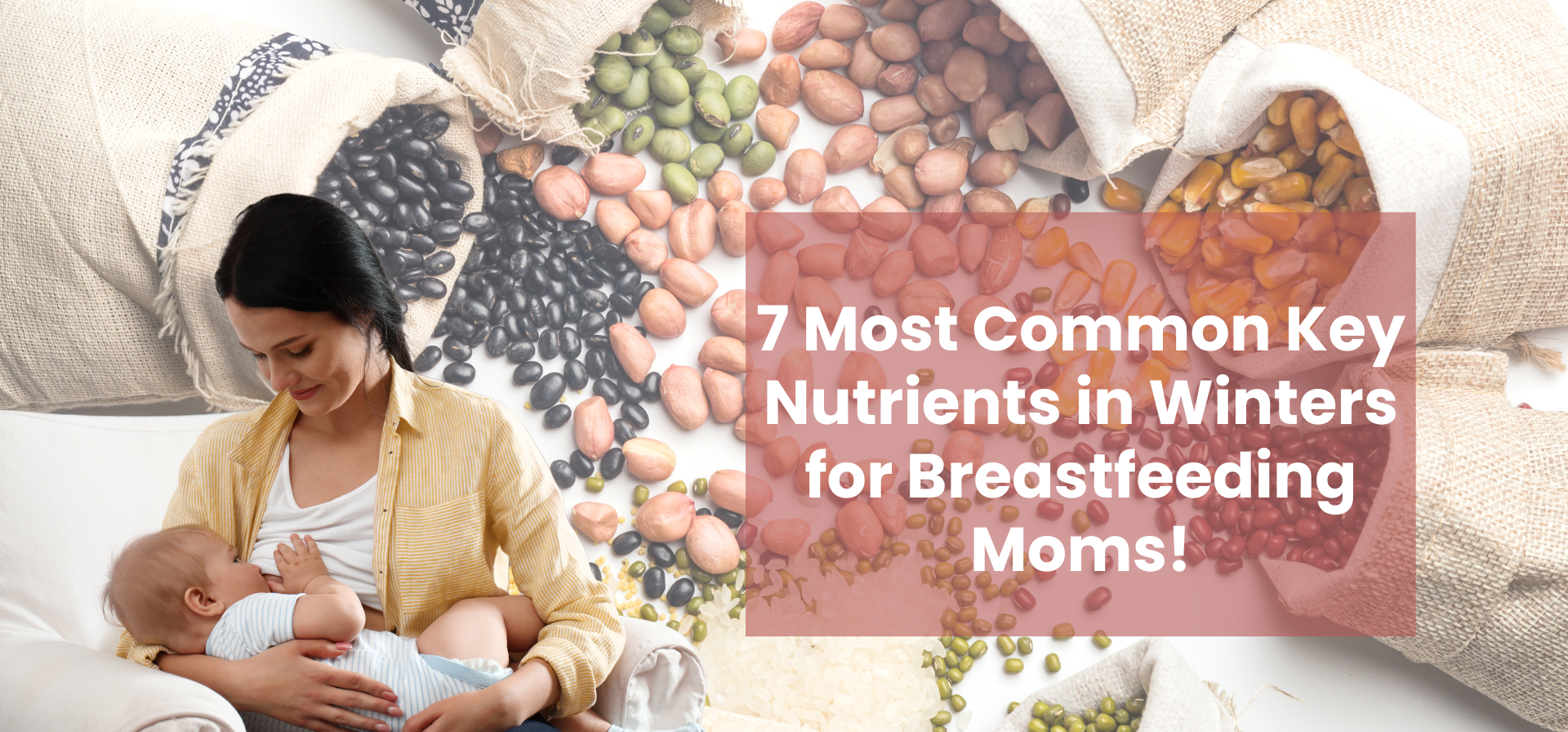
Winter is a season that brings comfort foods, cozy blankets, and chilly weather. However, for breastfeeding mothers, it can also bring challenges in maintaining proper nutrition. Breastfeeding demands a higher intake of nutrients, In fact winter is full of fresh produce. Easy availability of greens plus better digestibility of foods like, ladoos, Panjiriis.
Here’s a look at the 7 most common nutrient deficiencies breastfeeding moms face during winter and tips to overcome them.
- Vitamin D
Why It’s Important:
Vitamin D is crucial for calcium absorption, supporting bone health for both mom and baby. It also plays a role in immunity, helping prevent seasonal illnesses.
Why It’s Deficient in Winter:
Reduced sunlight during winter limits natural vitamin D synthesis in the skin.
Sources to Include:
- Fortified foods like milk, orange juice, and cereals.
- Fatty fish such as salmon and mackerel.
- Vitamin D supplements (consult your doctor for the right dosage).
- Iron
Why It’s Important:
Iron is essential for producing hemoglobin, which carries oxygen in the blood. Postpartum mothers are especially at risk of iron deficiency, leading to fatigue and low milk supply.
Sources to Include:
- Spinach, kale, and other dark leafy greens.
- Lentils, beans, and fortified cereals.
- Red meat and poultry.
- Combine iron-rich foods with vitamin C for better absorption.
- Omega-3 Fatty Acids
Why It’s Important:
Omega-3s support brain and nervous system development in your baby and help reduce postpartum depression in mothers.
Sources to Include:
- Fatty fish like salmon, trout, and sardines.
- Chia seeds, flaxseeds, and walnuts.
- Omega-3 supplements if dietary intake is insufficient.
- Calcium
Why It’s Important:
Calcium is vital for strong bones and teeth. Breastfeeding mothers need an adequate supply to ensure their own bone health and to provide enough for the baby’s growth.
Sources to Include:
- Milk, yogurt, and cheese.
- Almonds, sesame seeds, and ragi
- Leafy greens like spinach, methi, bathua, radish greens etc
- Vitamin C
Why It’s Important:
Vitamin C boosts immunity and aids in the absorption of iron. It also promotes healthy skin and tissues.
Sources to Include:
- Citrus fruits like oranges, lemons, and grapefruits.
- Strawberries, kiwis, and guavas.
- Bell peppers and tomatoes.
- Zinc
Why It’s Important:
Zinc supports immune function, cell repair, and wound healing. It also contributes to the production of breast milk.
Sources to Include:
- Whole grains like oats and quinoa.
- Legumes, nuts, and seeds (pumpkin seeds are excellent).
- Lean meats and shellfish.
- B Vitamins (Especially B12)
Why It’s Important:
B vitamins, particularly B12, are critical for energy production, brain function, and the formation of red blood cells.
Sources to Include:
- Eggs, dairy products, and fortified plant-based milk.
- Lean meat, fish, and poultry.
- Nutritional yeast for vegetarians.
Winter Nutrition Tips for Breastfeeding Moms
- Meal Prep: Prepare soups loaded with seasonal vegetables and lentils. Add greens, yellow-orange colored veggies to parathas, chila, dosa batter
- Hydrate: Cold weather often reduces thirst, but staying hydrated is essential for milk production .Soups, infused water, green teas, herbal drinks, hot milk with nuts and seeds are good ways of keeping yourself hydrated.
- Snack Smart: Keep nuts, seeds, and dried fruits handy for quick nutrient boosts. kEEP TRADITIONAL RECIPES HANDY, like, panjiri, laddoos etc which are powerhouse of calories, and multiple nutrients.
- Consult a Dietitian: A professional can help tailor a diet plan to meet your unique postpartum needs.
Final Thoughts
Winter can be a challenging time for breastfeeding moms, but with mindful eating and proper planning, you can meet your increased nutrition requirements
and ensure the best health for you and your baby. Prioritize whole foods, seasonal produce, and, if needed, supplements to fill in any gaps.
Remember, a healthy mom means a healthy baby, so take care of yourself during this special time!
First time mommy? Let’s Navigate Babycare together!
Becoming a mother comes with questions and challenges, but you’re not alone. Whether it’s nutrition, baby care, or postnatal guidance, I’m here to support you. Let’s embark on this journey together!