
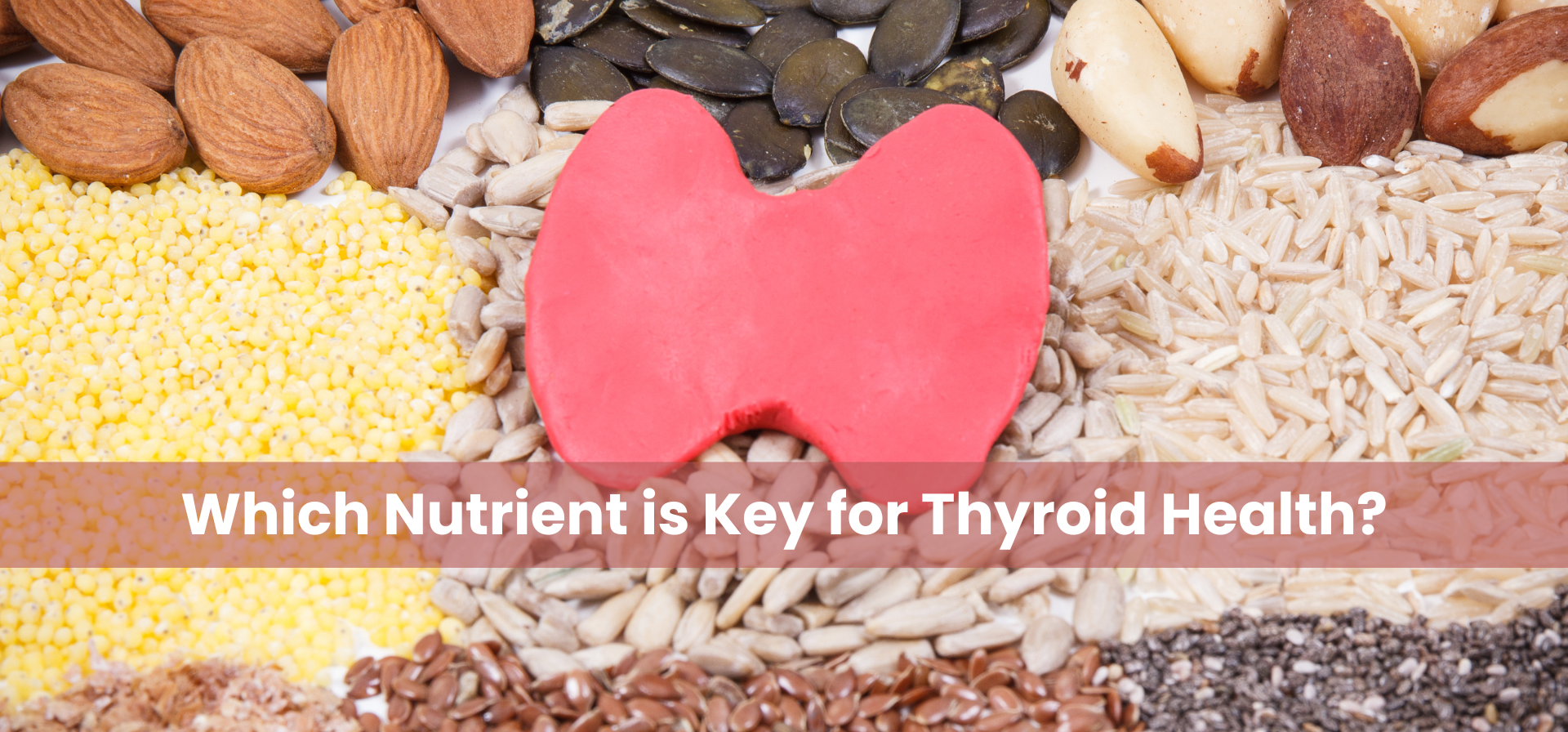
The thyroid gland is a powerhouse of your body’s metabolism, playing a critical role in regulating energy levels, temperature, and even mood. Supporting this vital gland requires a well-rounded diet, and certain nutrients are particularly essential for optimal thyroid health. In this blog, we’ll explore which nutrients are key for thyroid function and how you can incorporate them into your daily meals.
- Iodine: The Star Nutrient
Why It’s Important:
Iodine is the cornerstone of thyroid health, as it is essential for the production of thyroid hormones—thyroxine (T4) and triiodothyronine (T3). Without adequate iodine, the thyroid gland cannot function properly, leading to hypothyroidism or goiter.
Sources of Iodine:
- Iodized salt
- Dairy products (milk, yogurt, cheese)
- Seafood (fish, shrimp, seaweed)
- Eggs
Recommended Daily Intake:
- Adults: 150 micrograms/day
- Pregnant women: 220 micrograms/day
Tip: Balance is key—excess iodine can also harm the thyroid. Always consult your doctor for guidance.
- Selenium: The Protector
Why It’s Important:
Selenium acts as an antioxidant for the thyroid, protecting it from damage caused by oxidative stress. It is also involved in the conversion of T4 to T3, the active form of thyroid hormone.
Sources of Selenium:
- Brazil nuts (a single nut can provide your daily requirement!)
- Tuna and sardines
- Turkey and chicken
- Eggs
- Whole grains
Recommended Daily Intake:
- Adults: 55 micrograms/day
- Zinc: The Balancer
Why It’s Important:
Zinc helps regulate thyroid hormone production and supports the immune system, which is critical for preventing thyroid-related autoimmune conditions like Hashimoto’s thyroiditis or Graves’ disease.
Sources of Zinc:
- Shellfish (oysters, crab)
- Meat (beef, pork)
- Legumes (chickpeas, lentils)
- Nuts and seeds (pumpkin seeds, cashews)
Recommended Daily Intake:
- Women: 8 milligrams/day
- Men: 11 milligrams/day
- Iron: The Oxygen Carrier
Why It’s Important:
Iron supports thyroid function by aiding in the production of thyroid peroxidase, an enzyme required for thyroid hormone synthesis. Iron deficiency can exacerbate hypothyroidism symptoms.
Sources of Iron:
- Red meat and poultry
- Spinach and kale,Green leafy veggies, like methi, palak, bathua, radish or cauliflower greens
- Lentils and beans
- Fortified cereals
Recommended Daily Intake:
- Women (19-50 years): 18 milligrams/day
- Men and postmenopausal women: 8 milligrams/day
Tip: Pair iron-rich foods with Vitamin C (like oranges or tomatoes) to enhance absorption.
- Vitamin D: The Hormonal Booster
Why It’s Important:
Vitamin D helps regulate the immune system and prevents autoimmune thyroid diseases. Deficiency in Vitamin D has been linked to conditions like Hashimoto’s and hypothyroidism.
Sources of Vitamin D:
- Sunlight exposure
- Fatty fish (salmon, mackerel)
- Egg yolks
- Fortified foods (milk, orange juice)
Recommended Daily Intake:
- Adults: 600-800 IU/day
- Magnesium: The Enabler
Why It’s Important:
Magnesium is required for the conversion of T4 to T3 and supports thyroid function at the cellular level. It also helps manage stress, which can negatively impact the thyroid.
Sources of Magnesium:
- Nuts and seeds (almonds, sunflower seeds)
- Leafy greens (spinach, Swiss chard), Green leafy veggies, like methi, palak, bathua, radish or cauliflower greens
- Whole grains (quinoa, brown rice), Atta, millets, oats, quinoa
- Dark chocolate To be used in moderation
Recommended Daily Intake:
- Women: 310-320 milligrams/day
- Men: 400-420 milligrams/day
- B Vitamins: The Energy Drivers
Why They’re Important:
B vitamins, especially B12 and B6, are essential for energy production and overall thyroid function. They also help manage stress, a common trigger for thyroid imbalances.
Sources of B Vitamins:
- B12: Animal products (meat, eggs, dairy)
- B6: Bananas, avocados, fortified cereals ,Green peas, chickpeas
- Folate: Leafy greens, citrus fruits, legumes
Tips to Support Thyroid Health
- Balance Your Diet: Incorporate a variety of nutrient-rich foods to ensure adequate thyroid support.
- Limit Goitrogens: Foods like soy, broccoli, and cabbage can interfere with thyroid hormone production when consumed in large quantities. Cooking these foods reduces their goitrogenic effects.
- Stay Hydrated: Proper hydration supports overall metabolism and thyroid function.
- Get Regular Check-Ups: Routine thyroid function tests (TSH, T3, T4) can help detect imbalances early.
The Bottom Line
Your thyroid health is a reflection of your overall well-being, and proper nutrition is its foundation. By ensuring a diet rich in iodine, selenium, zinc, and other vital nutrients, you can support optimal thyroid function and prevent imbalances.
At NutriBaby, we specialize in personalized nutrition plans to help you maintain thyroid health and overall wellness. Whether you’re managing a thyroid condition or aiming to prevent one, our expert guidance can make all the difference.
First time mommy? Let’s Navigate Babycare together!
Becoming a mother comes with questions and challenges, but you’re not alone. Whether it’s nutrition, baby care, or postnatal guidance, I’m here to support you. Let’s embark on this journey together!